

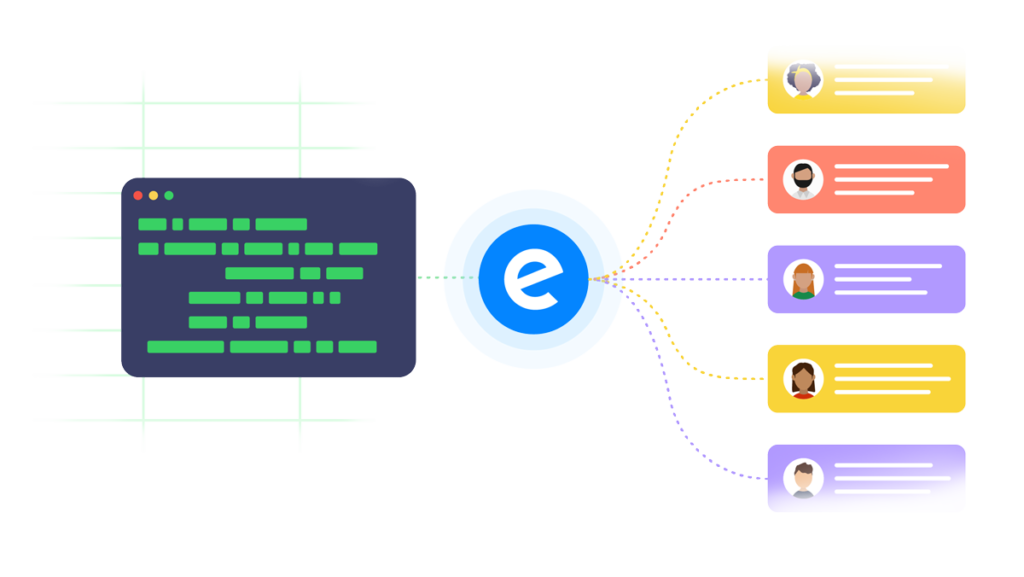
Getting SOC 2 or ISO 27001 without a compliance automation platform in 2026 is like building software without version control. You can do it. But you will spend three times as long, collect evidence manually in spreadsheets, miss things, and make your auditor’s job considerably harder. Compliance automation platforms have become the standard infrastructure for running a modern compliance programme — and understanding what they do, how they differ, and where their limits lie will save you a significant amount of money and frustration.
In our experience, the use of such platforms typically saves 1 to 2 thirds of the total time it would have taken to implement and maintain a security compliance framework.
What Is a Compliance Automation Platform?
A compliance automation platform is software that connects to your existing technology stack and automates the process of collecting, organising, and monitoring the evidence that compliance frameworks require.
Before these platforms existed, earning a SOC 2 certification meant manually gathering hundreds of pieces of evidence: screenshots of access control settings, exports from your ticketing system, confirmation emails from security training completions, logs from your cloud infrastructure. Every time an auditor asked a question, someone on your team spent hours pulling the relevant documentation. Every year at renewal, the whole cycle started again.
Compliance automation platforms solve this by integrating directly with the tools you already use — AWS, Google Cloud, Azure, GitHub, Jira, Okta, Slack, Workday, and dozens more — and continuously pulling evidence from those integrations. When your auditor needs proof that you’re running automated vulnerability scans, the platform has already collected it. When they want evidence of access reviews, it’s there. The audit prep process that once took months of manual work can compress to weeks or even days.
What These Platforms Actually Do
The core capability of every major compliance automation platform is continuous control monitoring: connecting to your infrastructure and applications, checking whether your controls are configured correctly, and alerting you when something falls out of compliance. If an employee’s MFA is disabled, the platform flags it. If a cloud storage bucket is made public, the platform catches it. If a critical software update is overdue, the platform tracks it.
Beyond monitoring, these platforms provide a compliance dashboard that maps your control implementation against the framework requirements of your chosen standard — SOC 2, ISO 27001, HIPAA, PCI DSS, and increasingly others. The dashboard shows you, at a glance, how many controls are passing, how many have gaps, and what evidence has been collected for each. Auditors increasingly request direct access to these dashboards, which can dramatically accelerate the audit itself.
Most platforms also include policy management (templates and version-controlled policy documents), vendor risk management (security questionnaires and assessments for your third-party vendors), security awareness training (built-in or integrated), and a trust centre — a public-facing portal where your customers can view your compliance posture without you having to answer individual security questionnaires every time.
The Major Platforms Compared
The compliance automation market has consolidated around a handful of well-funded, well-regarded platforms, each with particular strengths.
Vanta was one of the first movers in the space and remains the most widely recognised brand for startup and growth-stage companies pursuing their first SOC 2 or ISO 27001. It has an extensive integration library, a clean user experience, and strong momentum in the venture-backed technology company segment. Vanta has expanded aggressively into additional frameworks and now supports a broad range of standards.
Thoropass (formerly Laika – and our favorite !) distinguishes itself by combining platform automation with embedded advisory and audit services — the company provides both the software and human compliance experts who work alongside you. For companies that want the automation benefits of a platform without managing the compliance process entirely themselves, Thoropass’s hybrid model is genuinely differentiated.
Drata positions itself as the more technically rigorous platform, with a strong emphasis on continuous automated testing of controls rather than periodic snapshots. It has a large integration library and is often chosen by companies with more complex infrastructure or those pursuing multiple frameworks simultaneously. Drata has made significant investments in its GRC (governance, risk, and compliance) functionality for larger organisations.
Secureframe is competitive with Vanta for early-stage companies and is often noted for the quality of its customer support. It supports a broad range of frameworks and has a particularly strong user community. Pricing is generally competitive, and it’s often the platform of choice for companies that want a simpler implementation experience.
Sprinto is a strong contender in the mid-market and has particular traction with companies outside the US — its multi-framework support and international coverage are competitive strengths. It’s often cited for strong automation depth and responsive support.
Scrut Automation similarly targets the mid-market with competitive pricing and broad framework support. It’s popular among companies in the Asia-Pacific region and those looking for strong value at moderate cost.
What These Platforms Don’t Do
Understanding the limits of compliance automation platforms is as important as understanding their capabilities — and this is where many companies make expensive mistakes.
These platforms automate evidence collection and control monitoring. They do not automate compliance judgement, remediation, or audit readiness in the full sense of the term. When your platform flags a control gap, someone still needs to understand what the gap means, decide how to fix it, implement the fix correctly, and ensure the fix is appropriate for your specific environment and risk profile. The platform tells you what is; it doesn’t tell you what to do about it.
Compliance automation platforms also do not prepare you for the harder questions auditors ask. A SOC 2 auditor doesn’t just review your control evidence — they interview your team, probe your understanding of your own programme, and look for whether your controls are genuinely effective or merely technically configured correctly. No platform can prepare your team for those conversations.
Policy management templates in these platforms are starting points, not finished compliance documents. Your policies need to reflect how your organisation actually operates. A generic password policy template that doesn’t match your actual authentication practices is worse than no policy at all from an audit perspective — it raises questions about whether your programme is real.
Finally, these platforms don’t advise you on which frameworks to pursue, in what order, or what scope to define. Strategic compliance decisions — which certifications your customers actually require, how to scope your audit to be meaningful without being unnecessarily broad, how to prioritise remediation — require human expertise.
Compliance Automation Platform + Advisory Firm: Why You Need Both
The most effective compliance programmes combine a good automation platform with experienced advisory support. The platform is the engine: it collects evidence, monitors controls, and provides the operational infrastructure of your compliance programme. The advisor is the driver: they ensure the programme is pointed in the right direction, help you navigate the decisions the platform can’t make for you, and prepare you to actually pass your audit.
This combination matters most at three points: during initial implementation, when setting up a platform correctly requires understanding which controls apply to your specific environment and scope; before the audit, when a knowledgeable advisor can identify issues that will trip you up with an auditor before the auditor finds them; and when expanding to new frameworks, when the interaction between standards (ISO 27001 and SOC 2, or HIPAA and HITRUST) requires expertise to manage efficiently.
Companies that try to use a compliance automation platform without advisory support often discover, too late, that they’ve built a compliance programme that looks good on the dashboard but doesn’t hold up when an auditor starts asking questions. The platform gave them a green light; an advisor would have caught the problems first.
Key Questions to Ask When Evaluating Platforms
The right platform depends on your company’s size, compliance maturity, and the frameworks you’re pursuing.
Before committing to a platform, ask how many native integrations it has with the specific tools in your stack — not integrations in general, but your tools. A platform with 200 integrations that doesn’t natively connect to your cloud provider or identity management system will require significantly more manual evidence collection.
Ask about the platform’s framework support for the certifications you anticipate needing over the next two to three years, not just the one you’re pursuing today. Switching platforms mid-programme is expensive and disruptive.
Ask how the platform handles evidence gaps — what happens when a control can’t be automatically evidenced and requires manual collection? Some platforms handle this more gracefully than others.
Ask about auditor access. Can auditors log into the platform directly? Does the platform have relationships with the auditing firms you’re considering? Some platforms have formal auditor portals that can significantly streamline the audit itself.
Common Mistakes When Implementing a Compliance Automation Platform
The most common mistake is treating the platform as a complete solution and skipping the hard work of actually building a compliance programme. Connecting your integrations and watching controls turn green on a dashboard is the beginning, not the end. The programme needs policies, training, vendor management, risk assessments, and genuine operational commitment — none of which the platform provides automatically.
The second most common mistake is scoping too broadly. Including every system, every department, and every geographic location in your initial compliance scope makes implementation significantly harder without proportionate benefit. A well-scoped initial programme that you can actually complete and maintain is far more valuable than an ambitious programme that bogs down.
The third mistake is not involving your auditor early. Many auditing firms have preferred platforms they work with regularly and specific expectations about how evidence should be organised. Engaging your auditor before you set up your platform — or at least early in the process — can save significant rework.
How Soter Advisory Works With Your Compliance Platform
Soter Advisory is platform-agnostic. We work with clients using Thoropass, Vanta, Drata, Secureframe, Sprinto, and other tools, and we can help you evaluate and select the right platform for your environment if you haven’t already chosen one.
Our role is to ensure that whatever platform you’re using is set up correctly, that your compliance programme is substantive rather than superficial, and that you’re genuinely prepared for your audit — not just green on a dashboard. We handle the strategic and advisory work that no platform can automate: framework selection, scope definition, policy development, auditor management, and the expert guidance that turns a software tool into a real compliance programme.
Soter Advisory works alongside the leading compliance automation platforms to help you get the most out of your investment — from initial setup through your first audit and beyond. Book a free consultation →